Intellectual tradition
Political thought and democracy
An inquiry into power, law, and the practical conditions of shared freedom.
- Thinkers
- 1
- Works
- 2
- Passages
- 20,192
- Concepts
- 148
Origins, practices, and debates
Political thought asks who may decide for others, what makes a law just, and how a community can correct its own abuses. It crosses incompatible regimes and periods; it is not the name of one school.
Abraham Lincoln’s texts here confront a particular question: how could a democracy profess equality while maintaining slavery? Arguments over the Union, emancipation, and citizenship show that freedom cannot be reduced to a maxim. It depends on institutions, conflicts, and decisions whose effects must be examined.
The present corpus offers one situated nineteenth-century voice. By itself it cannot tell the whole history of democracy or the experiences of enslaved people. This page keeps that limit visible rather than making Lincoln speak for all political thought.
Period: 19th century in the corpus
Modern reconstructions
Places, practices, and transmission
1 / 3
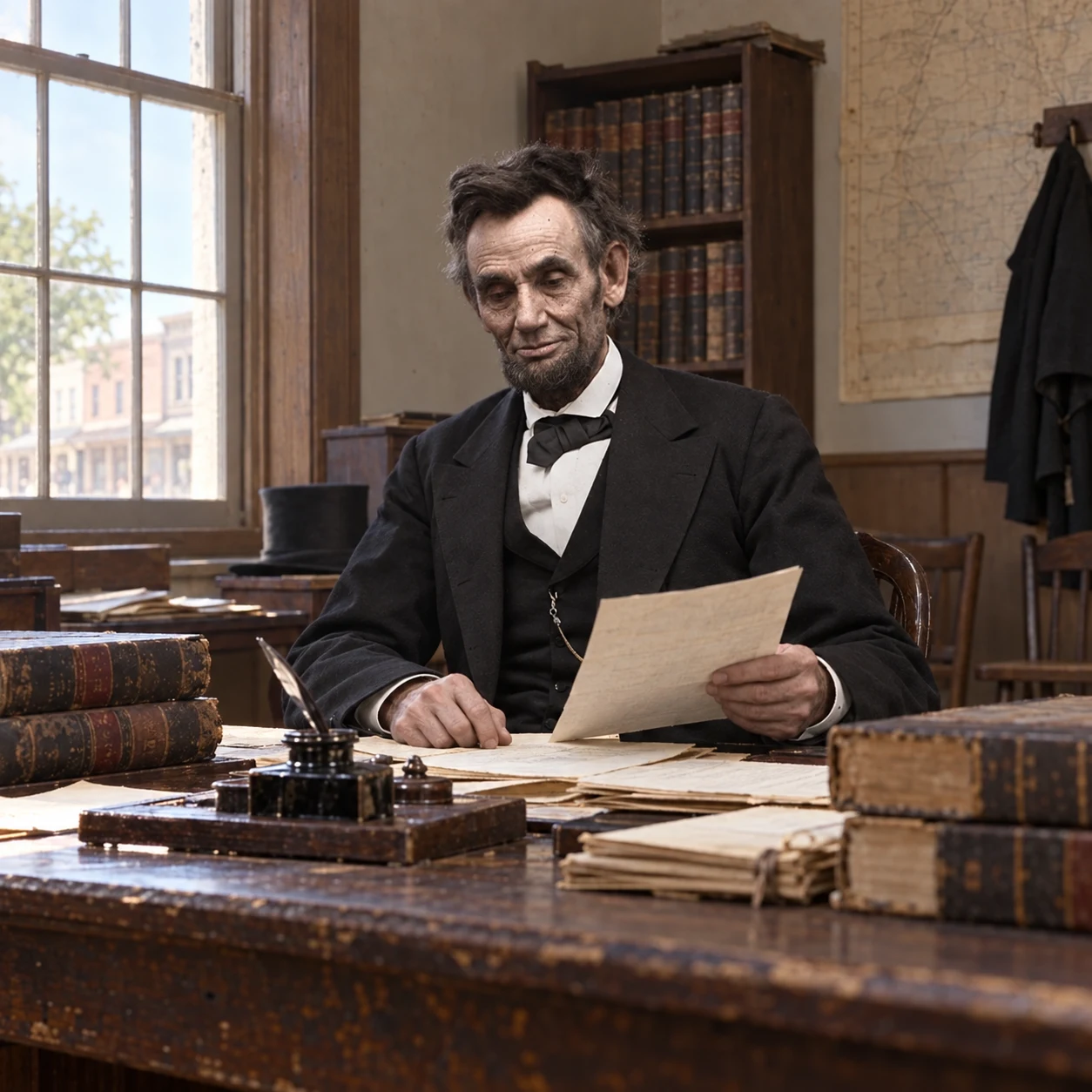
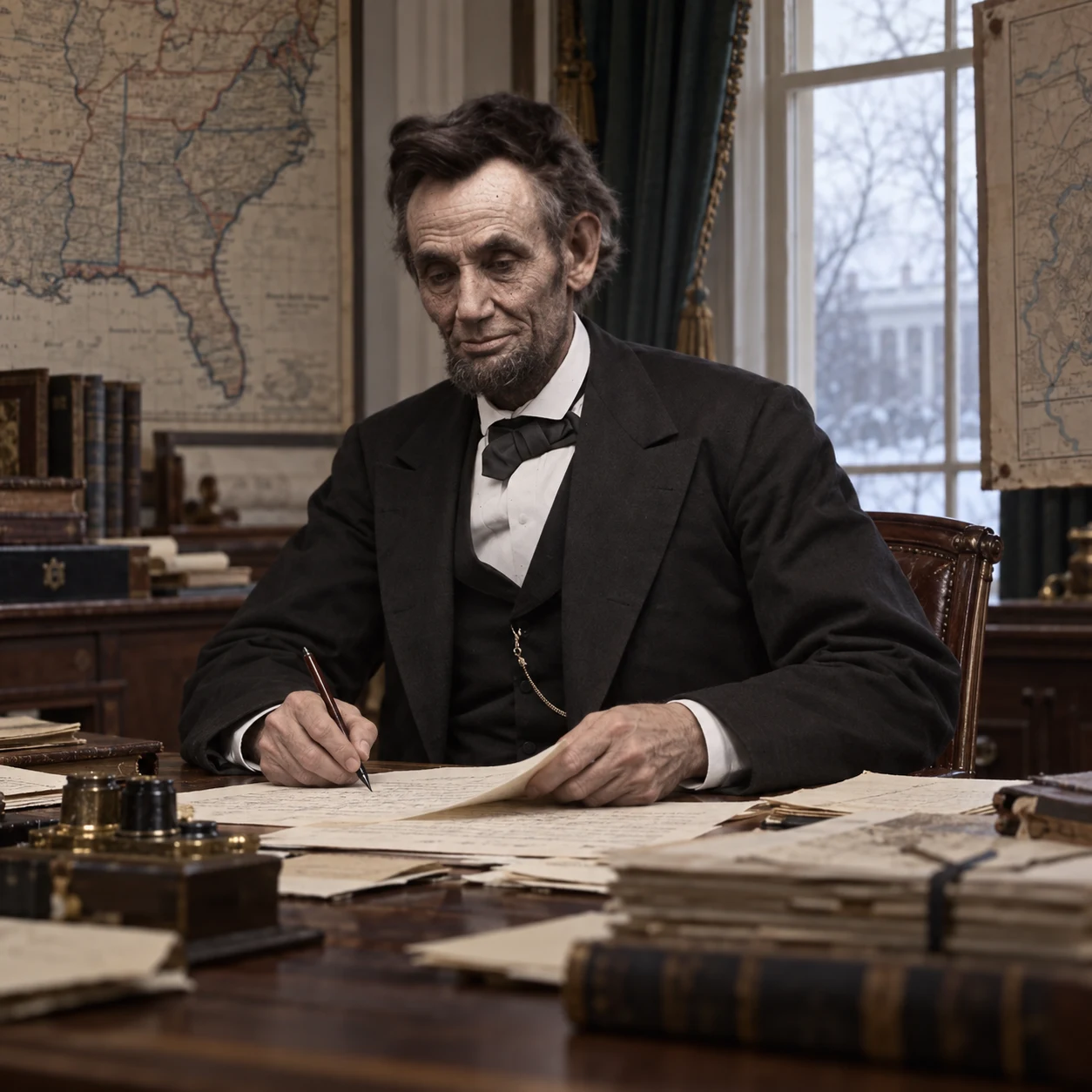
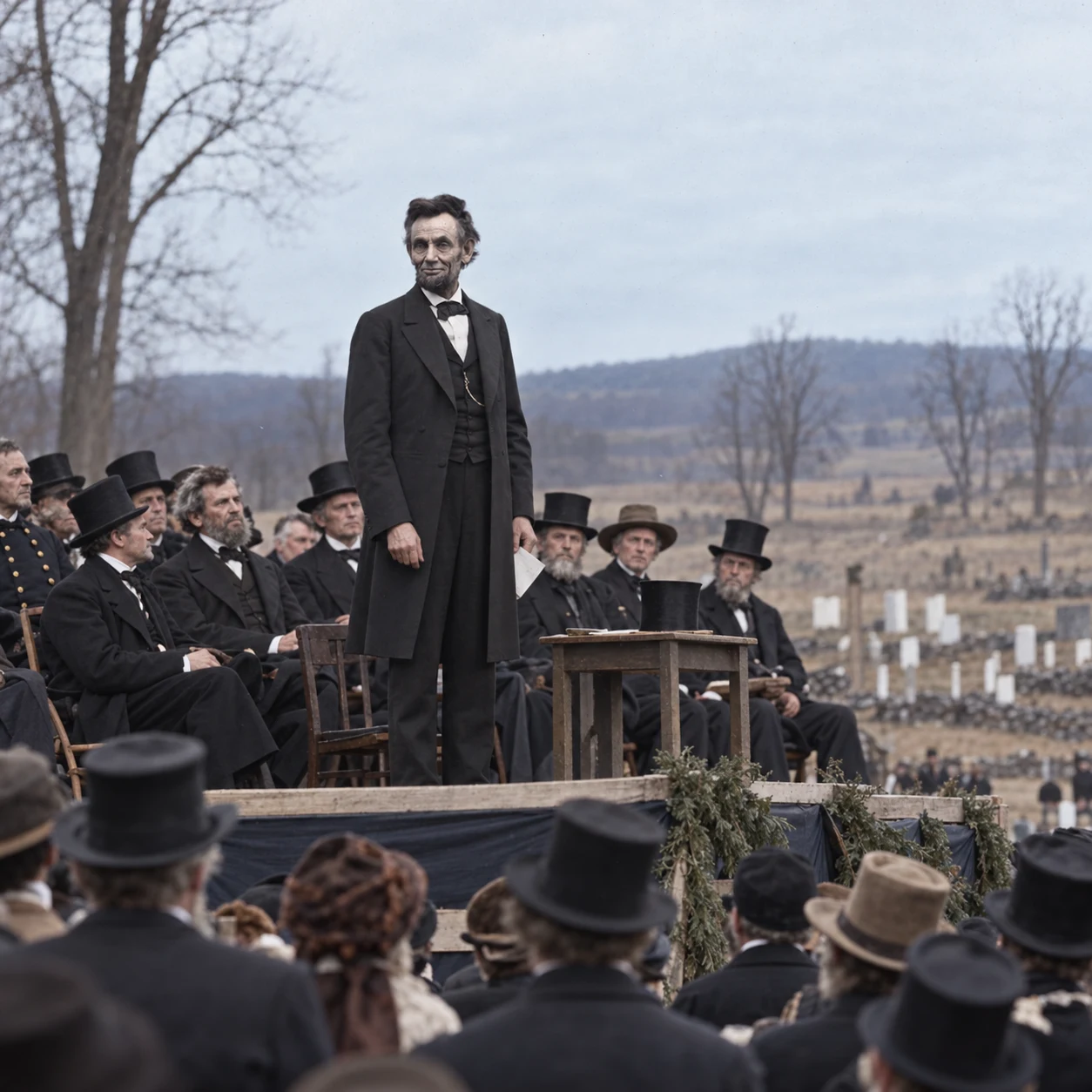
Thinkers in this tradition on Prokopton42
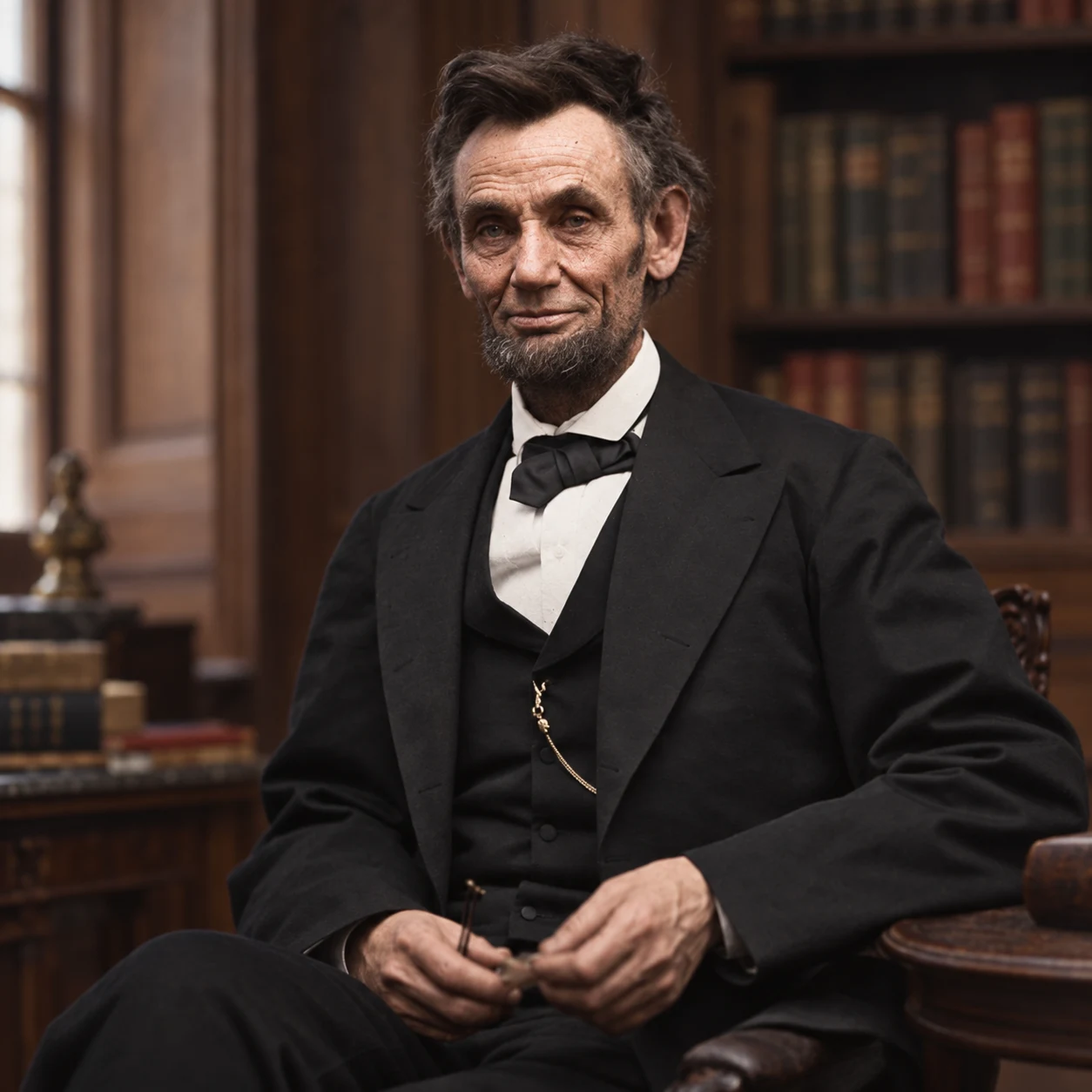 Abraham Lincoln
Works to read
- Abraham Lincoln Papers: Lincoln-Authored DocumentsAbraham Lincoln · 982 passages
- Abraham Lincoln Papers: Incoming and Contextual DocumentsCorrespondents and archival record · 19,210 passages